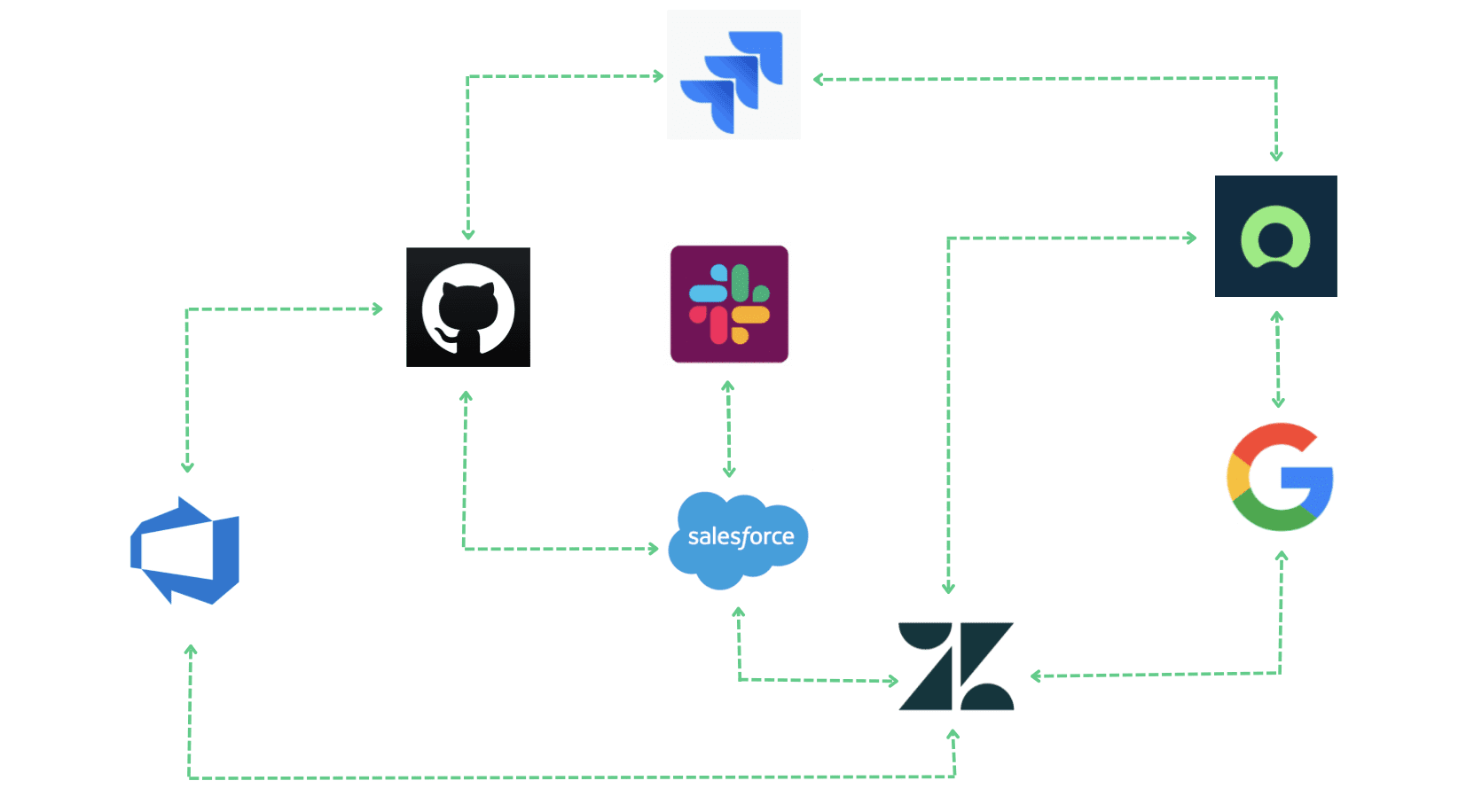
What is Systems Integration and Why Does It Matter?
Systems integration connects separate business applications—ERP, CRM, POS, accounting software—to work as a unified ecosystem. Instead of employees manually copying data between systems, integration automates these processes.
In the UAE and Lebanon markets, businesses using integrated systems report faster financial reporting, reduced manual work, and improved customer experiences through real-time data synchronization.
- Eliminate duplicate data entry across systems
- Real-time synchronization of customer, inventory, and financial data
- Automated workflows that trigger actions across multiple platforms
- Single source of truth for business intelligence and reporting
Types of Integration Solutions for Middle East Businesses
API Integration connects systems directly through their application programming interfaces. This is ideal for real-time data synchronization between modern cloud applications like HubSpot CRM and Shopify POS.
iPaaS (Integration Platform as a Service) solutions like Make, n8n, and Zapier provide visual workflow builders that connect 200+ business applications without custom coding.
Data Pipeline Integration moves large volumes of data between systems on scheduled intervals, perfect for nightly synchronization between ERP systems and data warehouses.
- API Integration: Real-time, bidirectional data sync
- iPaaS Platforms: No-code visual workflow automation
- ETL Pipelines: Scheduled bulk data movement
- Webhook Integration: Event-triggered automated actions
Most Common Integration Scenarios in UAE & Lebanon
ERP-CRM Integration ensures sales teams see real-time inventory levels while finance departments track revenue pipeline. This prevents overselling and improves cash flow forecasting.
POS-Inventory Integration automatically updates stock levels across online stores, physical locations, and accounting systems. Popular combinations include Shopify POS with Odoo ERP or Square with HubSpot CRM.
Accounting-Banking Integration automates reconciliation by connecting systems like Xero or QuickBooks with UAE and Lebanese banking APIs for automatic transaction import.
- Odoo ERP + HubSpot CRM integration for manufacturing companies
- Shopify + SAP Business One for retail operations
- Banking APIs + Accounting software for automated reconciliation
- WhatsApp Business API + CRM for customer service automation
Step-by-Step Integration Implementation Process
Discovery Phase (Week 1-2): Map existing systems, identify data flows, and document current manual processes. This includes API capability assessment and security requirements review.
Design Phase (Week 3-4): Create integration architecture, define data mapping schemas, and establish error handling protocols. Security frameworks are designed to support compliance with GDPR and UAE Data Protection Law requirements.
Development Phase (Week 5-8): Build API connections, configure automated workflows, and implement real-time monitoring. All integrations are tested in staging environments before production deployment.
Go-Live Phase (Week 9-10): Deploy to production with rollback procedures, train end users, and establish ongoing monitoring dashboards.
- API authentication and security setup
- Data transformation and validation rules
- Error handling and retry mechanisms
- Performance monitoring and alerting
ROI and Business Impact Metrics
Businesses use integration to cut manual data entry, speed up month-end reporting, and improve data accuracy across systems.
Customer satisfaction improves through real-time inventory visibility, automated order processing, and unified customer service interactions across all touchpoints.
- Reduced manual data entry tasks
- Faster financial reporting and analytics
- Improved data accuracy and consistency
- Structured, milestone-based delivery